
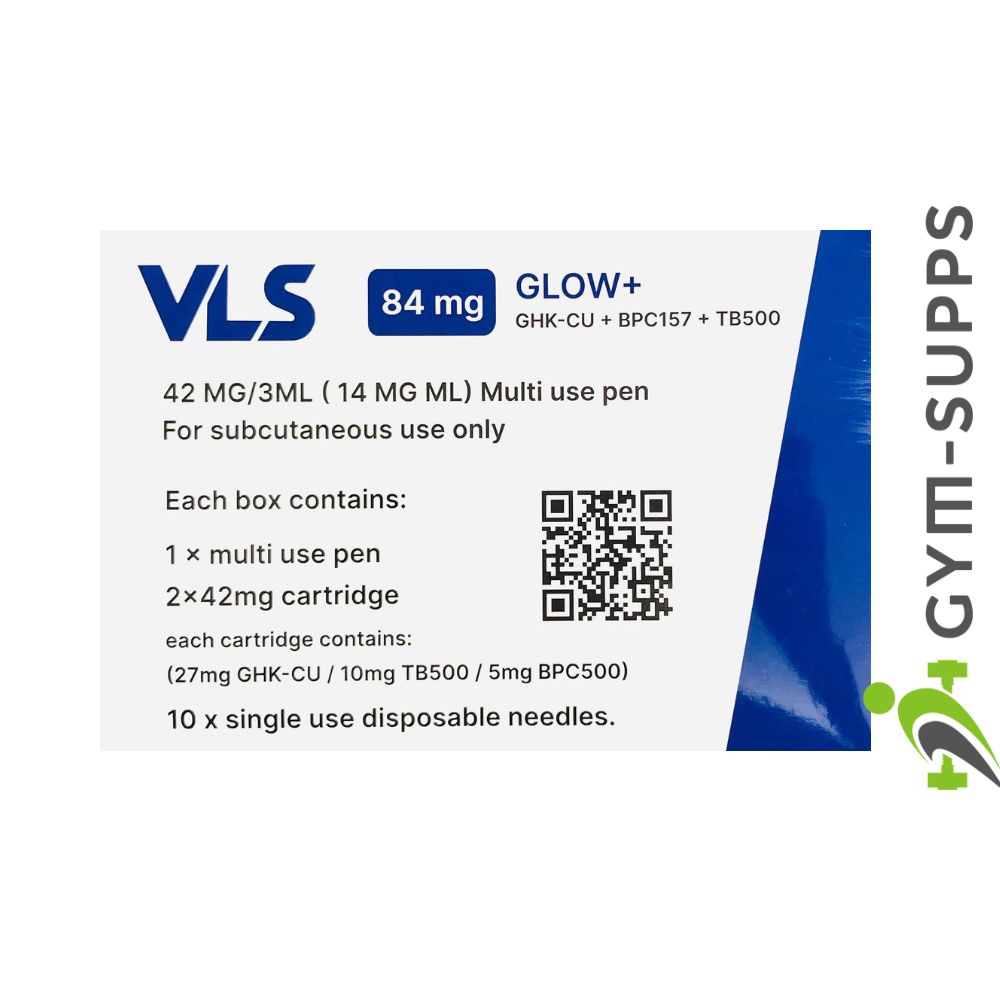
Description
GHK-Cu in Research
GHK-Cu (glycyl-L-histidyl-L-lysine copper complex) is a naturally occurring copper-binding peptide studied in biochemical research environments. Laboratory studies often explore its interaction with cellular signalling pathways, gene expression markers, and structural protein modulation in controlled in-vitro conditions.
Its molecular stability and copper-binding properties make it particularly relevant in advanced peptide chemistry research.
BPC-157 in Scientific Investigation
BPC-157 is a synthetic peptide fragment derived from gastric protein sequences. Within laboratory research settings, BPC-157 has been studied in relation to tissue models, angiogenesis markers, and molecular repair mechanisms under experimental frameworks.
Its stability in varying pH environments has made it a subject of interest in biochemical research studies.
TB-500 (Thymosin Beta-4 Fragment) in Research
TB-500 is a synthetic analogue related to Thymosin Beta-4, studied extensively in cellular migration and cytoskeletal interaction models. Research environments often evaluate its interaction with actin-binding proteins and cell mobility frameworks in controlled laboratory conditions.
Combining TB-500 with other peptides allows researchers to explore multi-pathway responses within structured in-vitro systems.



Reviews
There are no reviews yet.